The Decalogue: Think for yourself

Could one nonsensical question plus one nonsensical answer
equal one heck of a clever retort?

If someone asked whether the universe would descend into chaos
if one plus one equals two were disproved

and someone else, in response, suggested adding a litre of water
to a litre of sand, pairing rabbits, or changing the radix,

then perhaps it could—as an exercise in rhetoric, not the result
of an abundance of free time and unlimited access to the net.

The Decalogue: Seek the good in all things

Someone once said that having ideals is no great feat;
the real feat is, in the name of truly great ideals, not to falsify minute details.
I can see the ghosts lurking behind the words as I write them—their eyes
fixed on the page, following the rasp of the worn nib of a fountain pen
that meticulously records all the petty grievances of a little man at odds
with a broken heart I’m not yet ready to give up on. Absolution, after all,
begins with oneself.

The Decalogue: Love well

What does it mean to love, let alone to love well?
And whom—or what, for that matter?
After all, we say love countless times every day:
I love a good laugh now and then;
I love my steak rare;
I love Friday nights out with my buddies;
I love travelling;
I love your haircut;
I love those floral twist-back tops she wears;
I love that song;
I love the latest book by [author of your choice here];
I love my [pet or person of your choice here];
I love myself;
I love you.
Honestly, it’s as confusing as dying
over everything in life.

The purpose of life

There is no purpose to life—we are born to die, and that’s it.
Everything in between is a flaccid time-filler. And yet we flex
our muscles and strike dignified poses, as if we were better
than seagulls fighting over a box of chips with chippy sauce
dumped on the pavement by bar-goers on their way home
after a Friday night out, when in fact, even our cries are as loud
and desperate—except theirs say that there is no purpose to life
but life itself.

Generations

So it turns out I’m from Generation X, but I didn’t quite make it
to Xennials, which, in the eyes of iGens, let alone unfledged Alphas,
would probably put me somewhere in the stratum of social fossils.
And I’m fine with it because all this bizarre palaeontology catches
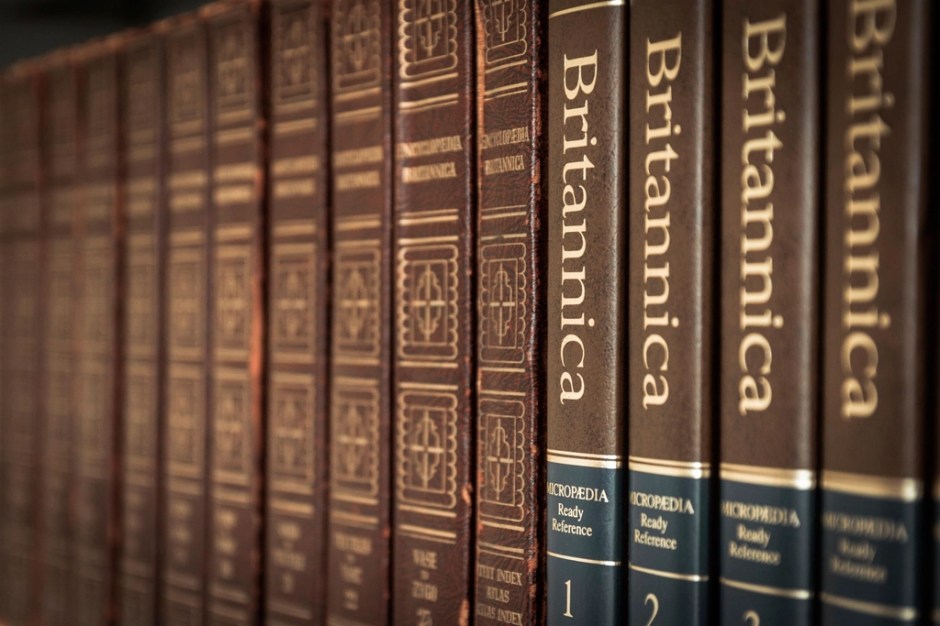
no more than a cobweb weaved between the edges of the volumes
of Encyclopædia Britannica resting on my shelves.

The circle of life

I can’t recall the last time I needed a nap after dinner.
It must have been when I was a kid in the nursery.
I remember teachers herding our skittish bunch onto mattresses
on the floor of the playroom for that very purpose.
Those who didn’t want to sleep had their faces pretend to be brushed
with a janitor’s broom, which was always greeted with squeals and laughter.
But eventually each of us would fall asleep, as I had just done.
Life truly does come full circle.

One of the myriad

Writing poetry has always been a peculiar occupation,
even more so now, in the Age of Imagination,
when it has turned from the spiritual torment of a few under patrician patronage
to a thankless endeavour pursued by the faceless myriad, hardly ever paid for,
even in that cheap currency called likes, driven by some obscure algorithm
that decides whether and to whom to show your stanzas.

What I’m actually trying to say is that I’m a pathetic third-rater,
feeling sorry for myself because no one reads me
—except you, of course.