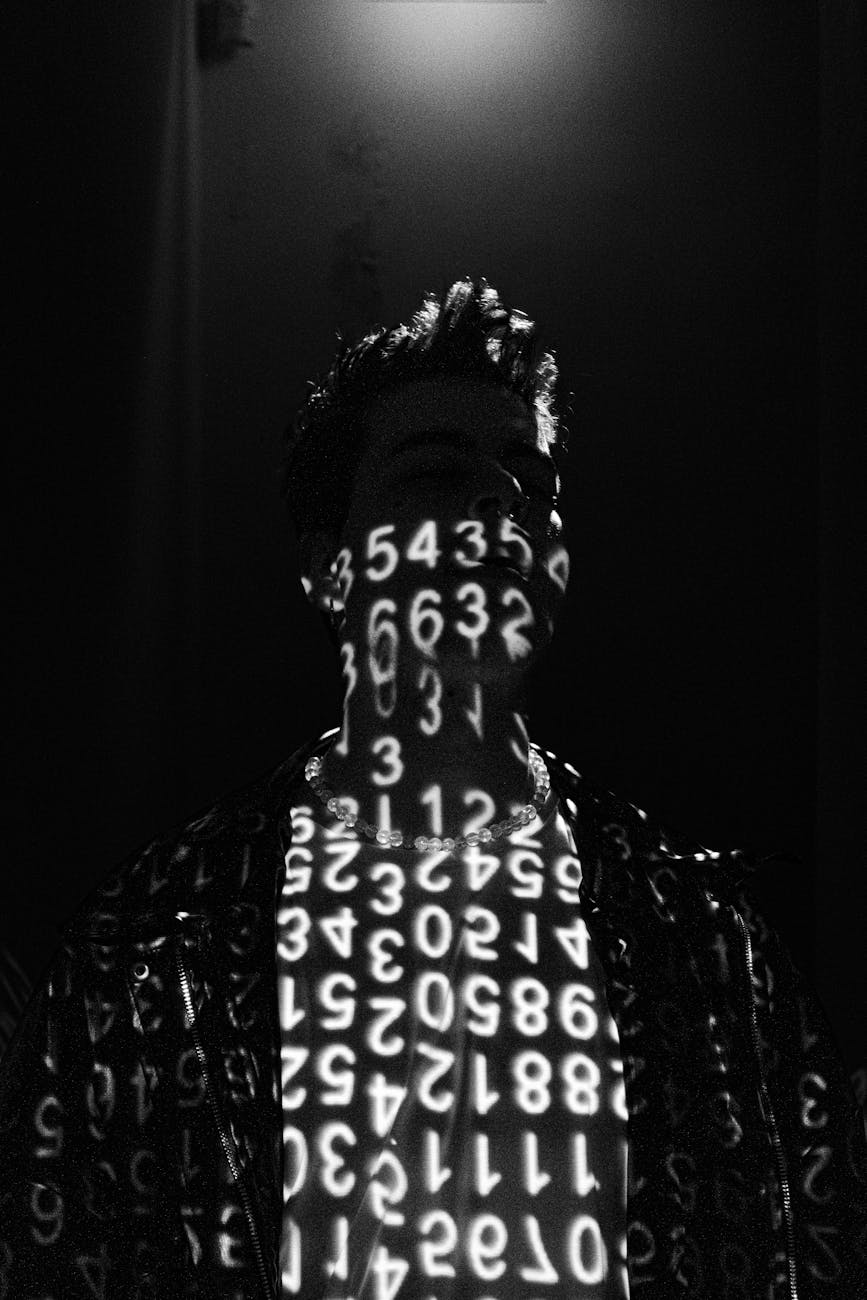
Numbers

As a creature of the word, I could imagine the alphabet as something that shapes my world.
And yet, before I learnt my ABCs, I encountered numbers, albeit in a rather selective manner.

It was the church nave where I first heard triple six uttered in a grave voice
by an old man in a peculiar outfit speaking from the ambo. Only much later did I learn
that the trinity he also mentioned means three, although ten turned out to be the real challenge
brought on by the catechism lessons, which also introduced me to the significance of seven.

Of course, this happened after I went to school and learnt numbers in a more structured way.
But neither catechism nor maths classes were as fruitful in this regard as the playground,
where a fist taught me the difference between one and zero.
The world in technicolour

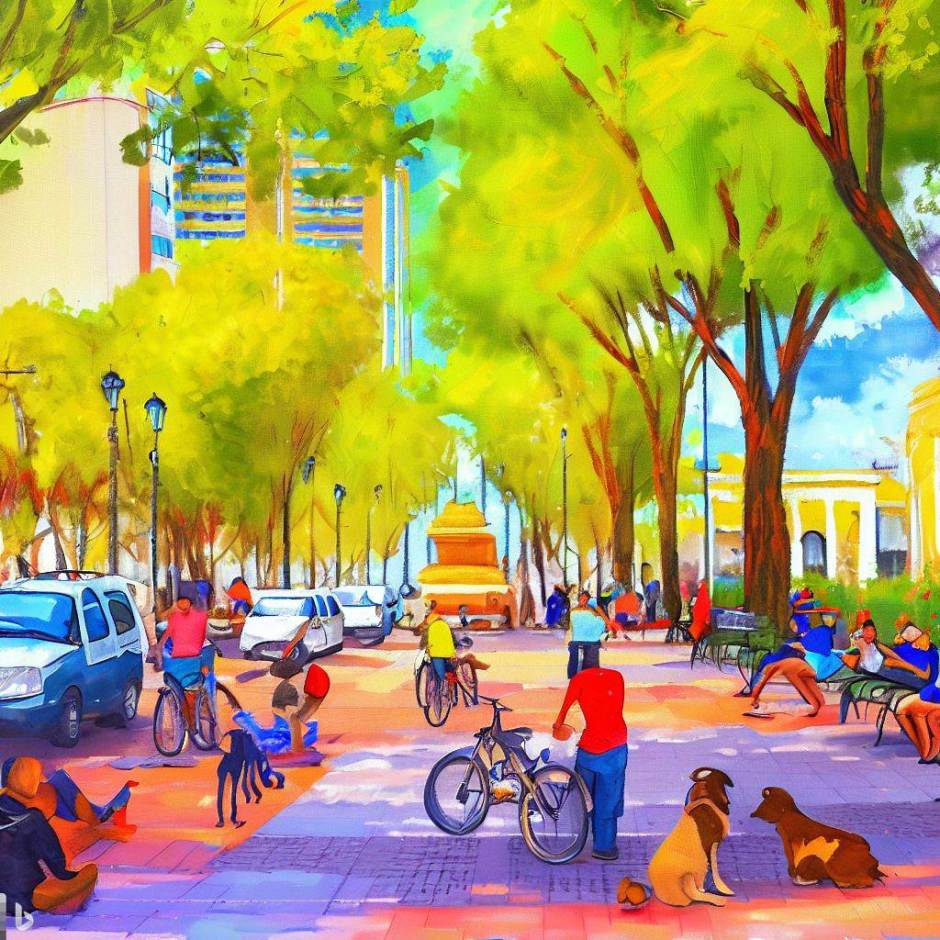
It must feel good to see the world in technicolour. Mine has always been sketched with charcoal,
with occasional dun streaks and traces of mould in places. For long, I blamed myself for not being
a great drawing subject. After all, you cannot expect an artist to find inspiration in a boring shape.
But then it struck me that there is no such thing as my world but the world, and it has colours—only
I am colour-blind.

Time exchange

When I look at the clock face, it strikes me
that there is not a minute in twenty-four hours
where it is the same day everywhere in the world.
What is more, the twenty-four hours themselves
happen only four times a year, and even that depends
on latitude. But if I were you, I would not worry
about it—unless you are an astronomer, of course.
Four seconds, give or take, make no difference
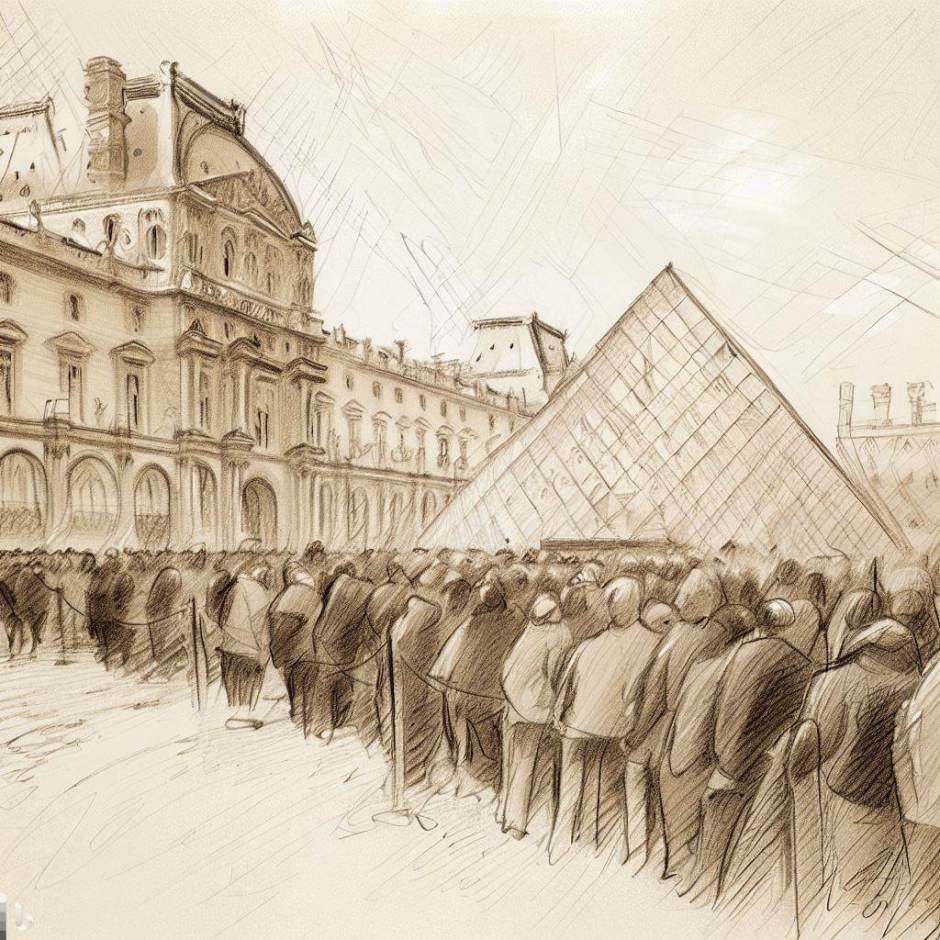
when you wait two hours to see the Mona Lisa,
just for a moment.