Perpetuum mobile

I can’t remember if I ever wanted to say something in particular, if my words had any intended purpose, at least not since the very beginning, when the first verse coincided with the end of puberty and was meant to impress a girl. It did not. I wonder what she’d say now—not that it would matter, and her face has been lost to the mists of time anyway. Perhaps that’s what always drew me to what Socrates said about poets in the ‘Apology’. At least, after more than three decades, my writing—although not a perpetuum mobile—is as close to self-perpetuating as one gets.


More words to ponder at maciejmodzelewski.com

The wisdom in a yawn

Sitting by the window, in the last rays of evening light, I read
the words of one man asking another again and again how long
he will delay to be wise.

The question, though asked in the second person singular,
could not possibly have been addressed to me, for I am a poet,
and we all know the ‘Apology.’

So who is that individual our sage is so insistently enquiring?
Would it be the normal London plumber plotting some infernal
hole among the roofs?

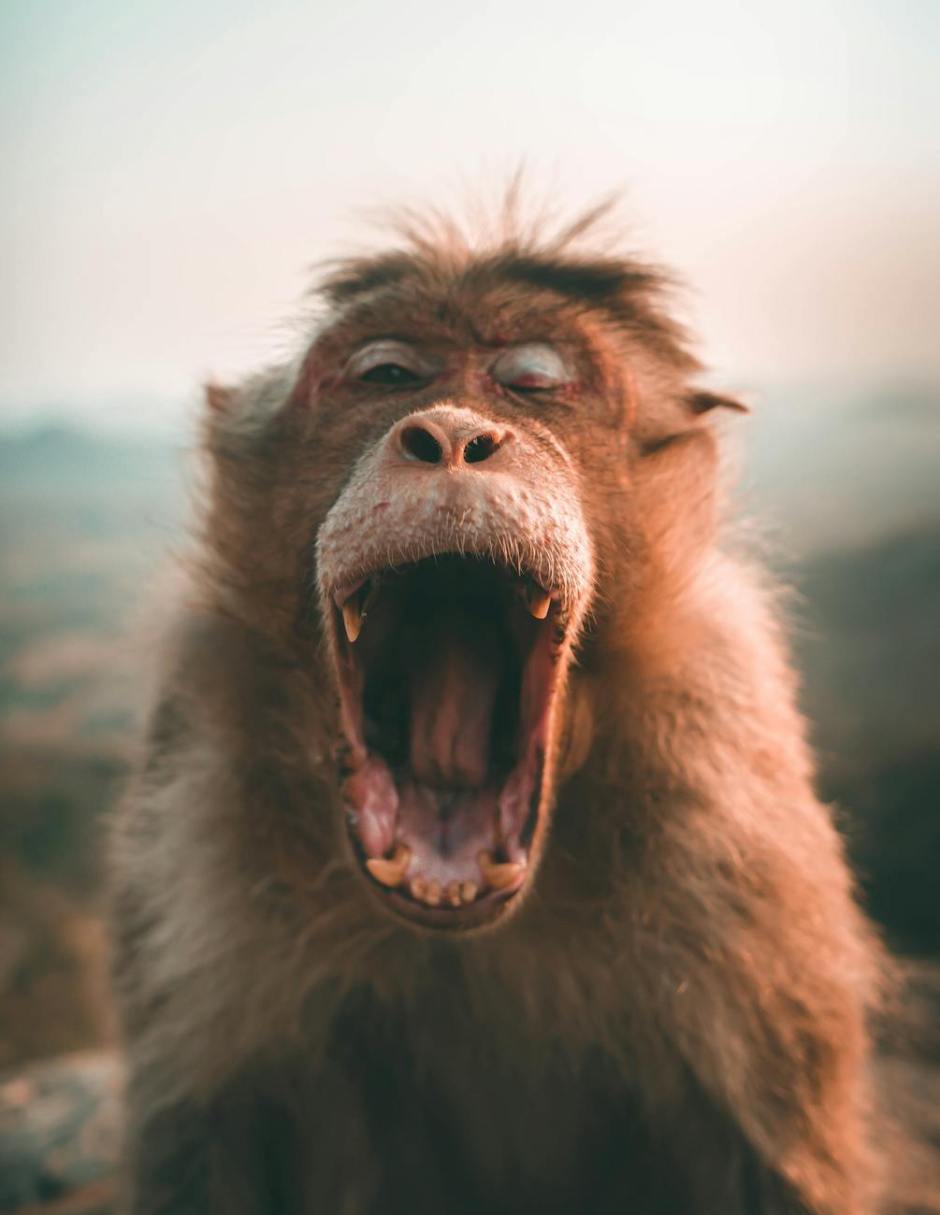
Whoever he is, I hope he is not yawning as hard, though of course
one can always blame the weather, for today it’s raining cats and dogs,
and that always puts me to sleep.

Journal (Dissectology)

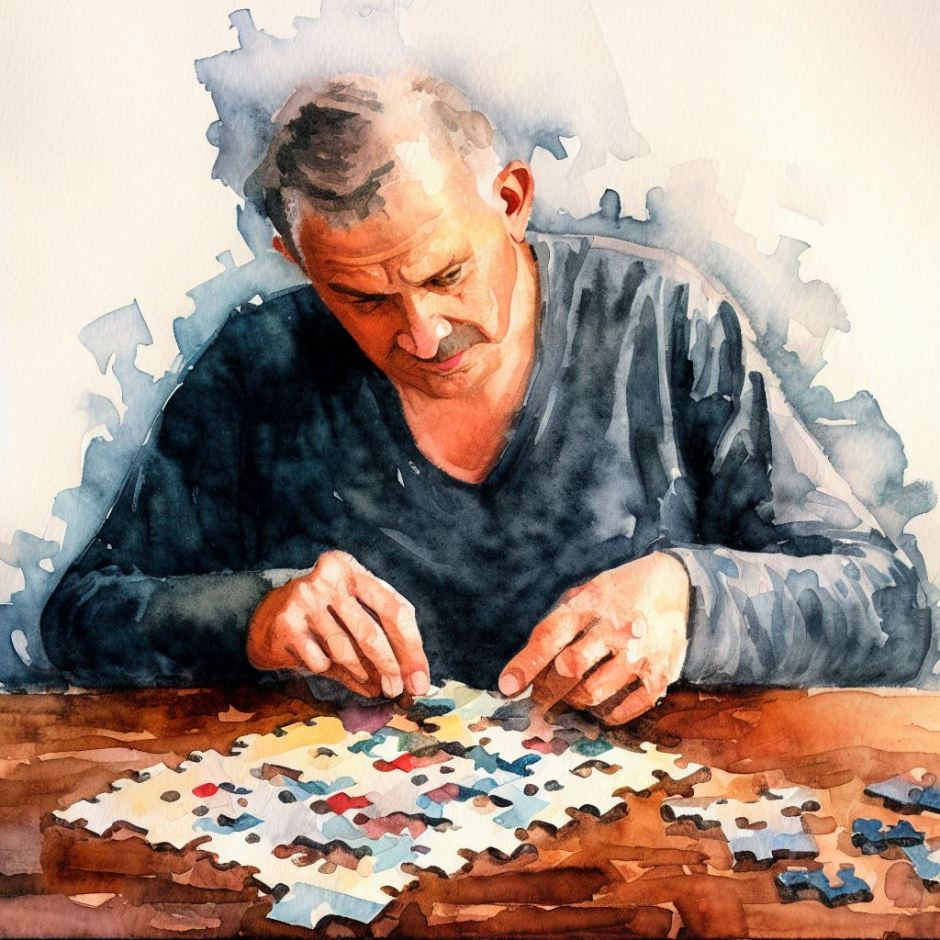
Every author and every artist has a method. I called mine dissectology—derived from dissectologist, that is, someone enjoying jigsaw puzzle assembly—because the way I worked with words was like putting together a jigsaw puzzle with one fundamental difference—each piece of the puzzle came from a different box.

How did it look in practice? Every time, while reading, watching a film, or having a conversation, I came across a word or phrase that resonated with me—or, as I called it, sounded delicious—I wrote it down in my notebook. Sometimes it took a while, but eventually I had enough material to start playing with it.

At first, it looked like a pile of random words, but my mind quickly started combining them into phrases, then sentences, and at last, there it was—a new poem. Sounds simple, right? But it’s not. Although this is an exception, writing a certain poem took me nine months and required researching the life and work of Martin Heidegger. I joked later that it had been a busy pregnancy with a difficult labour.

And here is the thing: at some point, I felt like a fraud. I wasn’t a creator, but a mere puzzle assembler. True, with a bit of creativity, but in the end, there was no point that I had in mind that I tried to convey with my words—well, not always, as sometimes I actually wanted to say something in particular, but this was the exception, not the norm. Socrates’ words about poets truly reflect the nature of my little play.

Journal (My life is my story)

As of today, I have decided to stop writing poetry. To tell the truth, I’ve been planning to do this for quite some time now. And no, I am not aping Rimbaud, whose level, by the way, I am not even remotely close to. I simply feel like a fraud with a fig leaf of a quote from Apology, where Socrates said that “not by wisdom do poets write poetry, but by a sort of genius and inspiration; they are like diviners or soothsayers who also say many fine things, but do not understand the meaning of them.” And even if I manage to write something decent from time to time, most of my literary output is mediocre at best. It’s true that I had my moment when I was still writing in Polish and a series of my poems were published in one of the most important literary magazines in Poland, but this is ancient history now.

I stopped writing in Polish, and what’s more, I even stopped reading in my mother tongue. It was not a whim but a conscious decision to motivate myself to dive deeper into the language and culture of my new homeland instead of closing myself in a ghetto like many of my compatriots in emigration. By the way, I still feel a tinge of embarrassment when I remember the sight of satellite dishes mounted on kitchen walls near the wide open windows in the apartments of Polish emigrants to receive Polish TV because mounting satellite dishes on the outer walls of skyscrapers was prohibited for security reasons. If anything, it was the end of a bloody November, and believe me, that’s not fun on the Scottish coast. I can’t even imagine how cold it must have been in those apartments.

So, instead of waiting for another divine inspiration, I decided to start writing a journal, partly because my attempts at writing novels had failed since they were always nothing but a flash in the pan—I’m working on that—and also because of a lack of ideas for interesting stories. A journal definitely sorts the latter problem out—my life is my story. Moreover, the masterpiece of my favourite writer, Witold Gombrowicz, is his diary, which, by the way, I have in the original and in English translation, and I regularly return to both. So why not follow my master’s example, even if my chances of writing anything worth publishing are rather slim?

Are you ready?

Sometimes I wonder, Who am I writing for? If for myself, why would I bother
showing these words to the public in the first place? However, if all the hassle
is for your sake, then I crave nothing but to meet you in the comments section,
or better yet, to revive the long-forgotten art of letter writing. On second thought,
perhaps I should watch what I wish for, because if the old tease Socrates was right
about me, once engaged in such an endeavour, I will most likely reveal how much
out of my depth I am. Thus, I am asking you, my devoted reader, are you ready
to be disappointed?