A spoonful of breadcrumbs

For Stacey

A sudden rain washed the life out of a tree outside my window and stopped as soon as it started
mocking the rainbow. Separated by thick glass, I thought that even if I had no inclination to spit
from a height into the dirty current in the street, unable to reflect any of the ephemeral colours,
I would go rafting to mourn the will-o’-the-wisp and all my fallen brethren, weakened by a lack
of viands, only to discover that a spoonful of breadcrumbs from a percipient baker can nourish
better than a whole cake.

The chill of my age

With my mouth open, I doze in a garden chair, trying to warm my bones
in the Sunday morning sun. Is this the first sign of ageing—the chilling
fact that I am freezing in August? I know that this is the north of Scotland,
but still. And with all due respect, I am only slowly approaching my fifties,
not my nineties. I am nothing like all the elderly folks passing by my place
on the way to the nearby church. To be honest, they somehow seem more
alive.

The Help

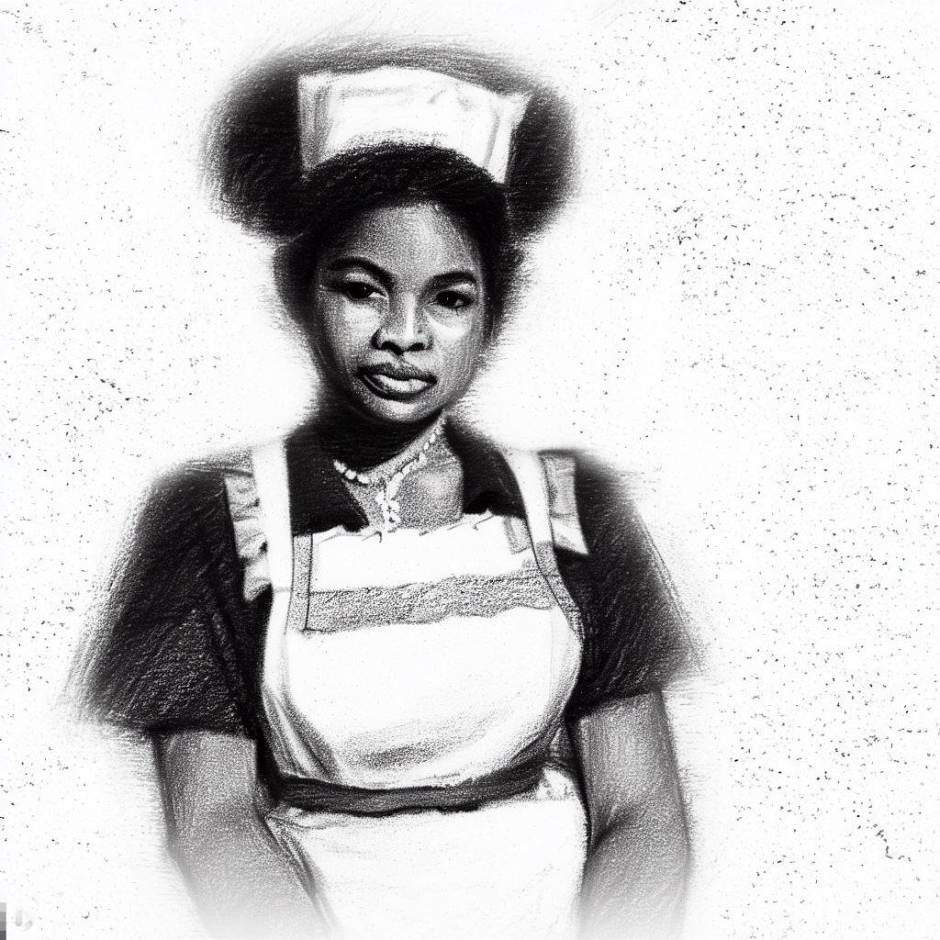
I found ‘The Help’ in the cheapest DVD section of my favourite second-hand film shop,
and the strange thing was not the place, not even the price, but that the disc was in perfect
condition, as if no one had ever touched it, not once, while all the other DVDs I bought
had typical signs of wear. It is not like I was complaining about buying what is basically
a new disc with a great film for pennies. Call me a snob, but standing in front of the shelf,
I was having trouble understanding how someone let it out of their hands in the first place.

Only back at home did I find many critical voices of African-Americans accusing the film
and the book it is based on of trivialising systemic racism during the 1960s in America.
What is more, some of the leading cast members even expressed regret for taking part in it.
There were words like betrayal, the Magical Negro character, and the white saviour trope.
After all this, I still decided to keep this film in my collection. As imperfect as it might be,
it taught me something, albeit indirectly, and even if only for that reason, it is worth having.

The background figures

In moments of distress, I find myself asking trivial questions, answers to which I can simply
disregard without any harm, so stop holding me accountable for every forgotten conversation
on some twopenny-halfpenny matters you deem important by the mere fact of your presence,
because if life happens to be the last sentiment I like to pursue, I would rather be the swimmer
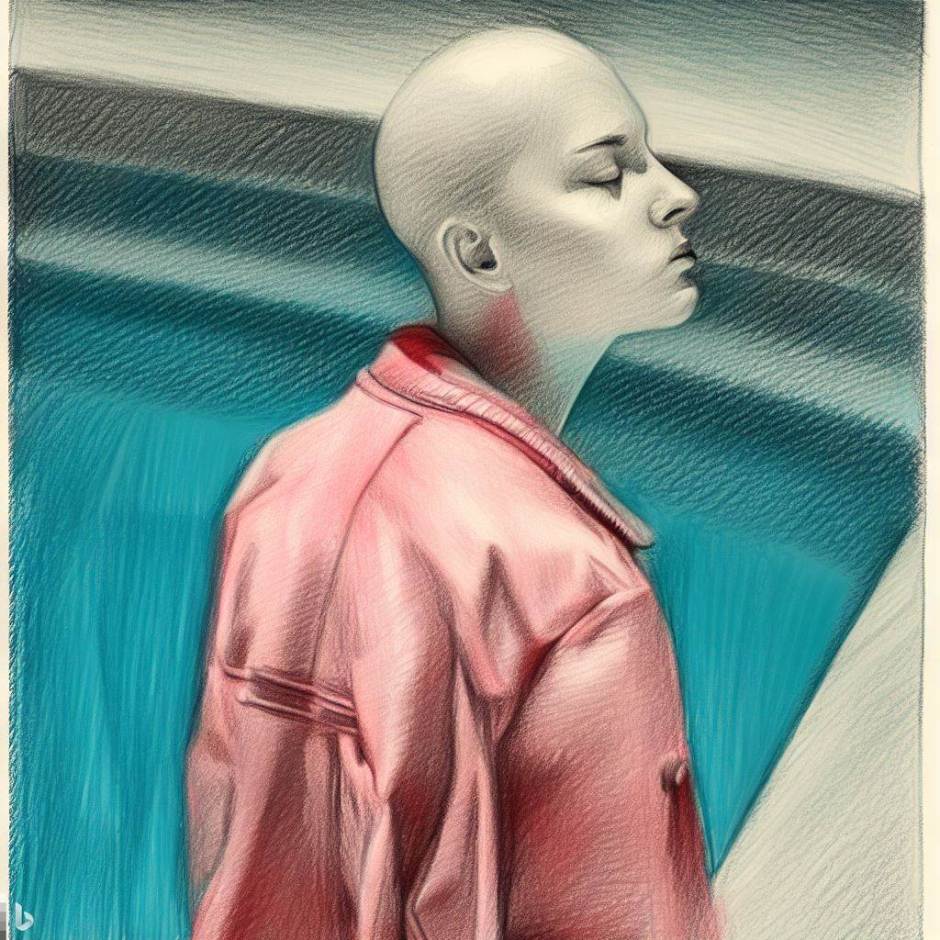
from the Portrait of an Artist, an incidental faceless body still more alive than the pink jacket
at the edge of the pool—that quite handsome foreground hero, yet known only by association.
And although a lost cause, you could at least appreciate that there is an irresistible charm
to bystanders—the background figures of the elevated posture.

A magpie’s squawk is worth a slice of honeydew

If dirt can kill you, so can a life that is sterile. But, to be honest, I have never really been afraid
of death, and I can only repeat after a sage: why should I? What terrifies me is the act of dying,
where the pain—which only eases a little with a dose of morphine—takes away the last vestiges
of dignity. It happened to my father, so it makes me think about what my end will be. Perhaps
eating a slice of honeydew melon while writing these lines is not exactly the height of decorum
and profundity, but the magpie squawking on my windowsill does not mind either. We are both
creatures of casual transience.

It will come at last

I can remember words I read only for a little while, so I keep the most treasured pages close.
This way, I can read them again whenever I so desire. But every now and then I ask myself,
Why have I learned how to read in the first place? And, most importantly, why have I learned
how to write? To manoeuvre more shrewdly through all the tedious little dramas of ours?
I know there were times when imagination was a threat. The visionary was nothing but a regular
at the asylum, or even better, burned at the stakes. I am not that stubborn; you can bet on it.
But ever since the winter of my birth passed, I have been looking forward to seeing another
one—the one perceived as a betrayal. Betrayal of what?

The facts of life

I have always liked phone books, but no one makes them any more. They were like bare graveyards
where each tombstone provided the necessary facts of life, only in their case, they were supposedly
about the living. I remember trying to convince myself that everyone there was waiting for me, even
if they were not, which was a fact of life of a sort, but I still tried to find an excuse for being naive.
I thought: if the world around me does not exist for me, what is the point? It hurt, but I kept telling
myself that it was going to be easier when I grew up. Now I am grown up, and it hurts even more.
And on that note, it is time for dinner. Like it or not, the body needs fuel more than anything else.
This is the ultimate fact of life.

Funny thing

It is easy to be in love in a poem because the object of your affection does not snore
or have bad breath, or for that matter, any of the myriad little things that annoy the hell
out of you. It is easy to be in love in real life too, because even if it happens that Romeo
or Juliet of yours farts at the table during a romantic date, the hormonal cocktail flooding
your brain will make you see nothing but that cute blush of embarrassment. But the same
blush twenty years later, if it happens at all, will test your patience one too many times.
Funny thing—love—a tipsy bookkeeper on leave.

The bouquet I seek

I am attracted to redheads with freckles, perhaps because the very first woman I noticed,
signalling that I had finally reached my awkward age, was one. Neither beautiful nor ugly,
she was the epitome of perfection, and all I wished for was to push her on a garden swing.
Decades later, I know it was bizarre to wait for a nod to follow her long silk nightdress.
If only she knew I seek a home—not a hotel room, now and then—where the bouquet
on the table is a humble cauliflower.