The ways of homo dialecticus

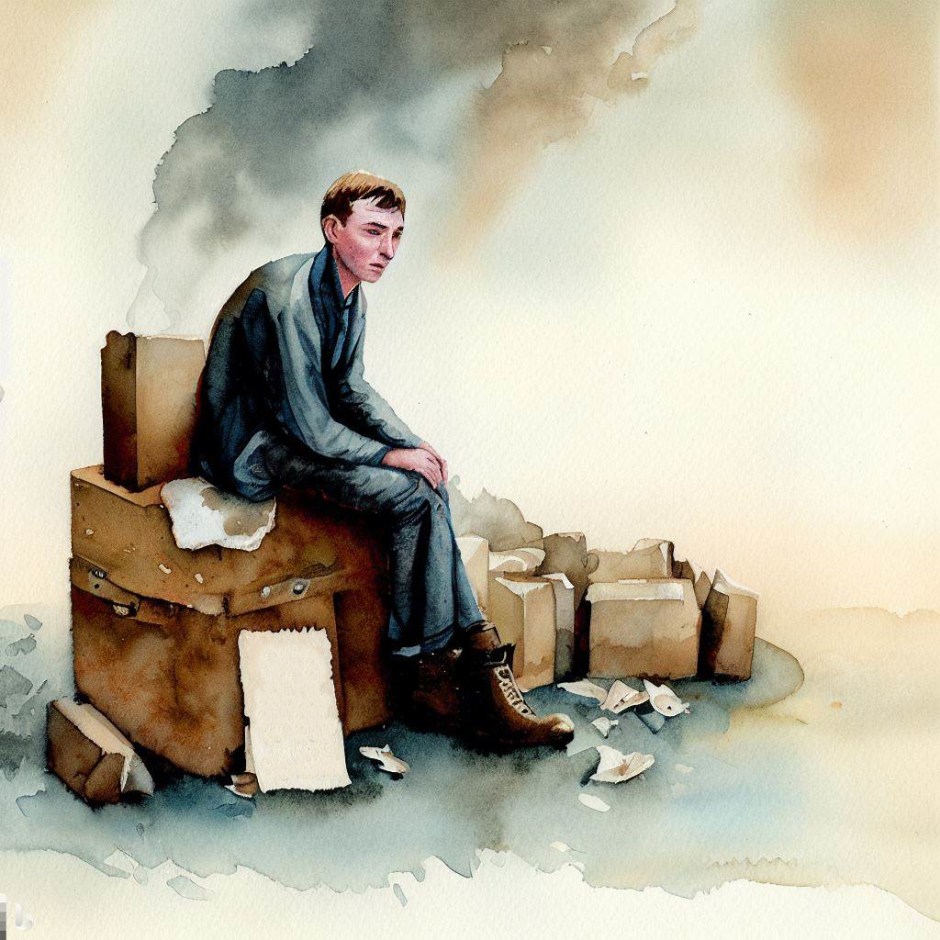
Yet eager—childhood has no bailiwick. This comes with time,
imprinted with a trace of ash. Even after all these years,
every now and then I find myself rubbing my forehead involuntarily.
It is actually baffling that we believe in the ways of homo dialecticus
when, in the same breath, we embrace all those erstwhile rituals.
I guess, in spite of all the advancements, we don’t really differ that much
from our ancient—or primaeval, for that matter—forebears.
That is probably why I can read Menander or Sappho
as if they were my next-door neighbours.

Getting the impossible

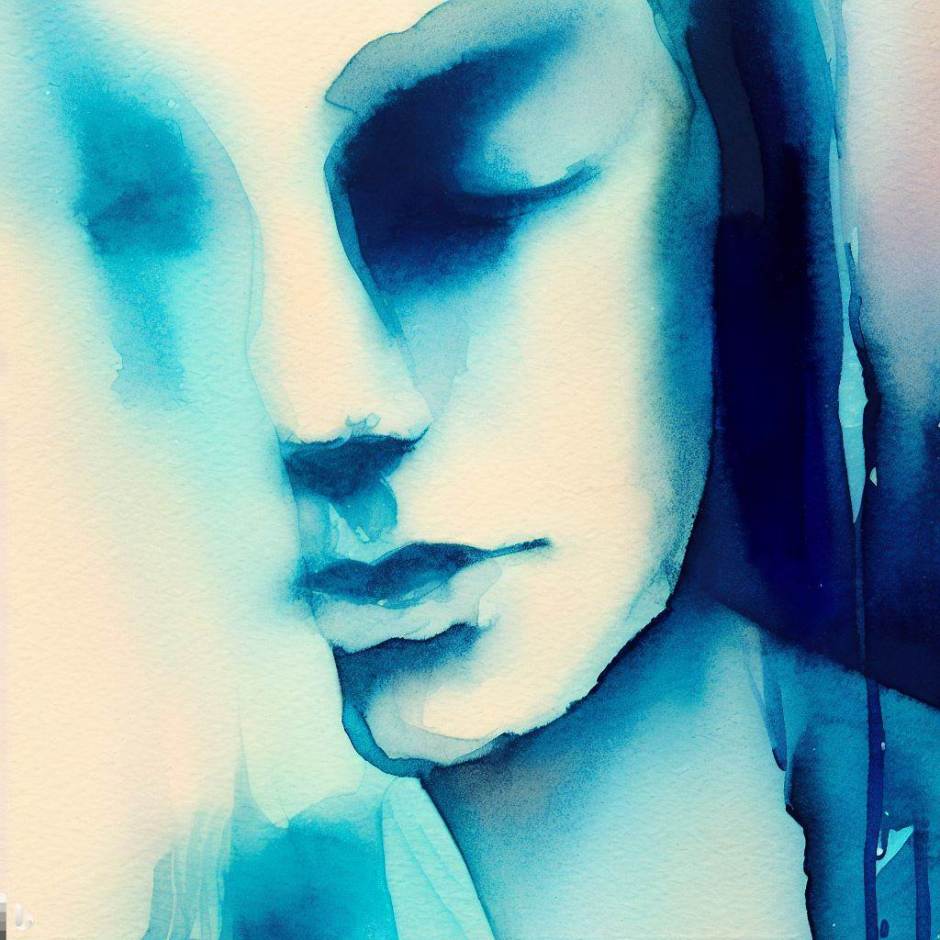
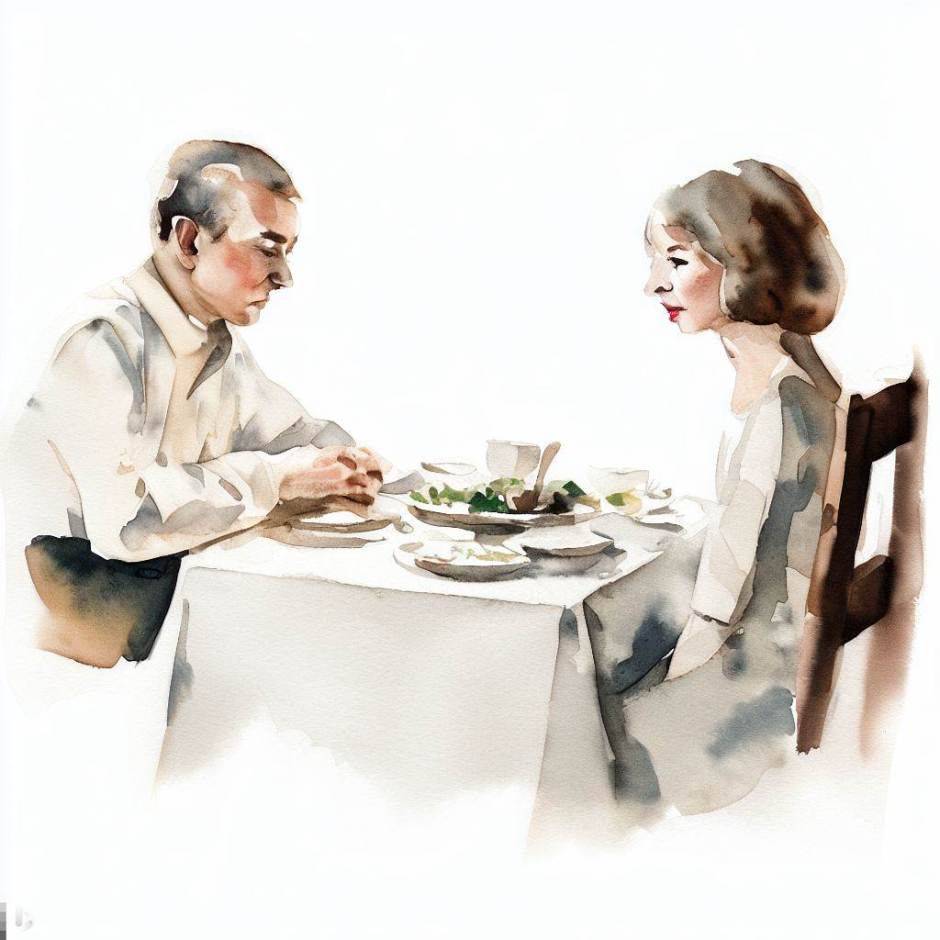
Being you, if I met myself, the first thing I would notice
about me was how unsure of myself I am at my age.

I know well that this is not a face from a film poster
that is staring at me in the mirror, not to mention all the great minds
of whom even the shadow is beyond my reach. Perhaps I could at least shave
more often, but only if you insist. I guess it’s never too late
to learn something new,

like your language, but out of sheer convenience,
I would rather stick to the lingua franca, knowing that an accent
always reveals my origin. And maybe I will finally get your obsession
with Virginie Lebeau and François de Paule,
although you are probably just a little snobbish.

Being myself, if I met you, the first thing I would notice
about me was that I had finally lost it, as you can’t be real,

can you?

Seizing the moment

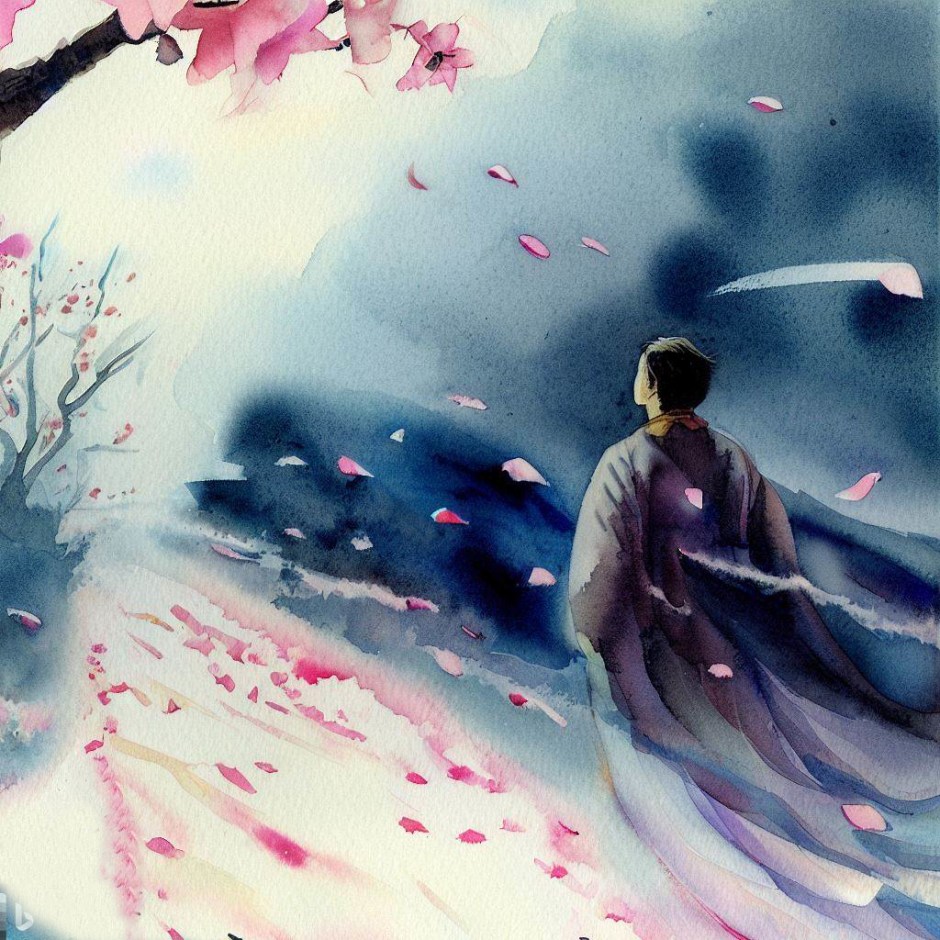
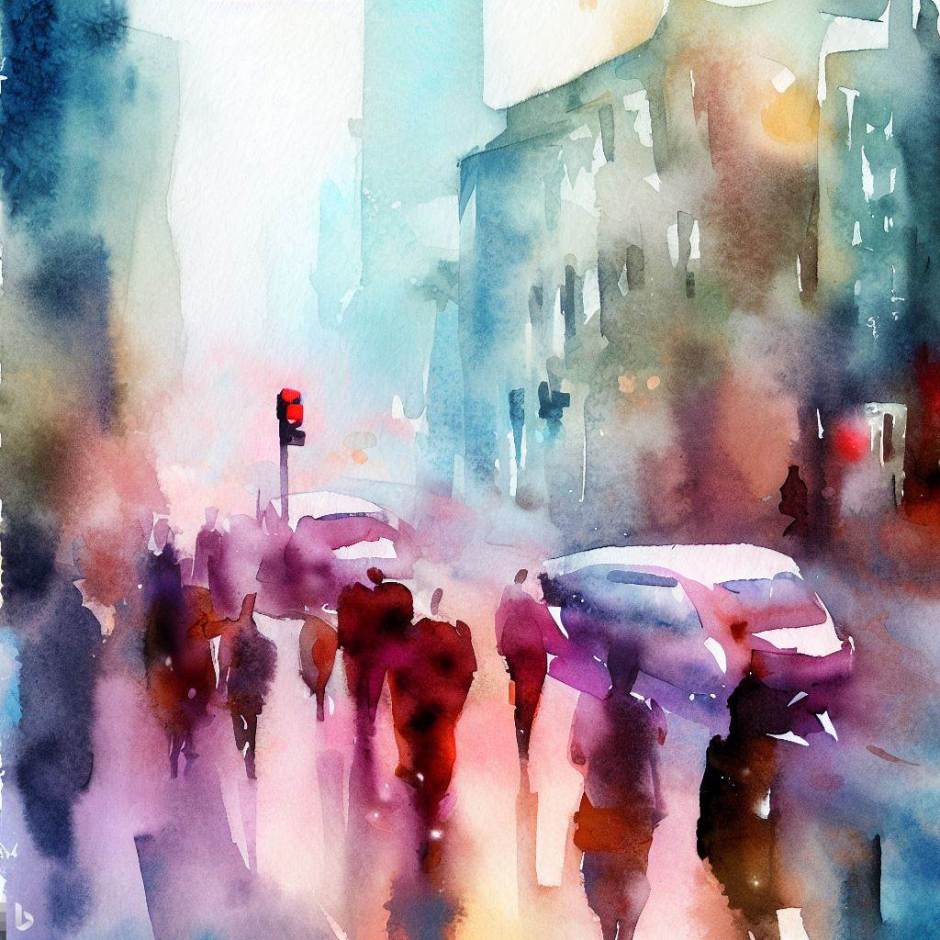
…and out of the blue, a heavy rain came,
turning the streets into rivers—a harbinger of the coming autumn
already touching the leaves—now dripping with water—of a nearby tree
with the first signs of yellowing; a stream from a broken gutter
rumbles against the windowsill; even the school yard across the street
is filled with patter instead of the typical lunchtime hustle and bustle;
and only the spider residing in the crack of the window frame,
ignorant of it, busily improves its web,
seizing the moment…

The wicked button society

If you keep your writing in the sock drawer, readers don’t matter.
Perhaps you write for your own eternal pleasure or are too shy
to show your stanzas to the public. Whatever the reason, one thing
is for sure: you haven’t yet been exposed to the silver coin of likes.
But once you step out into the world and taste someone’s hand
pressing that wicked button, everything changes.
No problem if it’s a genuine poetry lover without baggage of their own.
If not, more often than not, you are expected to reciprocate the gesture,
and if you don’t, they are soon gone for ever. Then you know,
they are not readers—they are addiction partners.

I didn’t steal your heart

In everything you say, it matters not only what you say
but also where you put the emphasis.
Like this little cutie: I didn’t steal your heart.
I didn’t steal your heart—something else did.
I didn’t steal your heart—it turned out to be just a minor misunderstanding on my part.
I didn’t steal your heart—you can’t steal what isn’t there, can you?
I didn’t steal your heart—Chance is a mighty Pandarus.
I didn’t steal your heart—what I took will remain my sweet secret for ever.

Existence

To be is the act of acts,
if the philosopher is to be believed,
but despite the active voice
of the copulative verb,
it nevertheless makes my existence a thing,
if you trust the poet who once said
that feeling and faith speak stronger
than the glass and eye of a sage.
It is fun to watch quarrels between two sides
of the same coin.

A casual game of inkblot cards

My body is slowly falling apart, and with it, everything else.
Nothing major quite yet, though; more like a foretaste found in the gallows
humour so typical of my native folk wisdom: When you are over forty
and you wake up in the morning with no pain, you are dead already.
But life is peachy, of course, because whether I thrive for or in spite of you,
I still need you, even if only for whatever the next folie à plusieurs would be.
After all, we are all in this bedlam together.

While obsessing over quiet

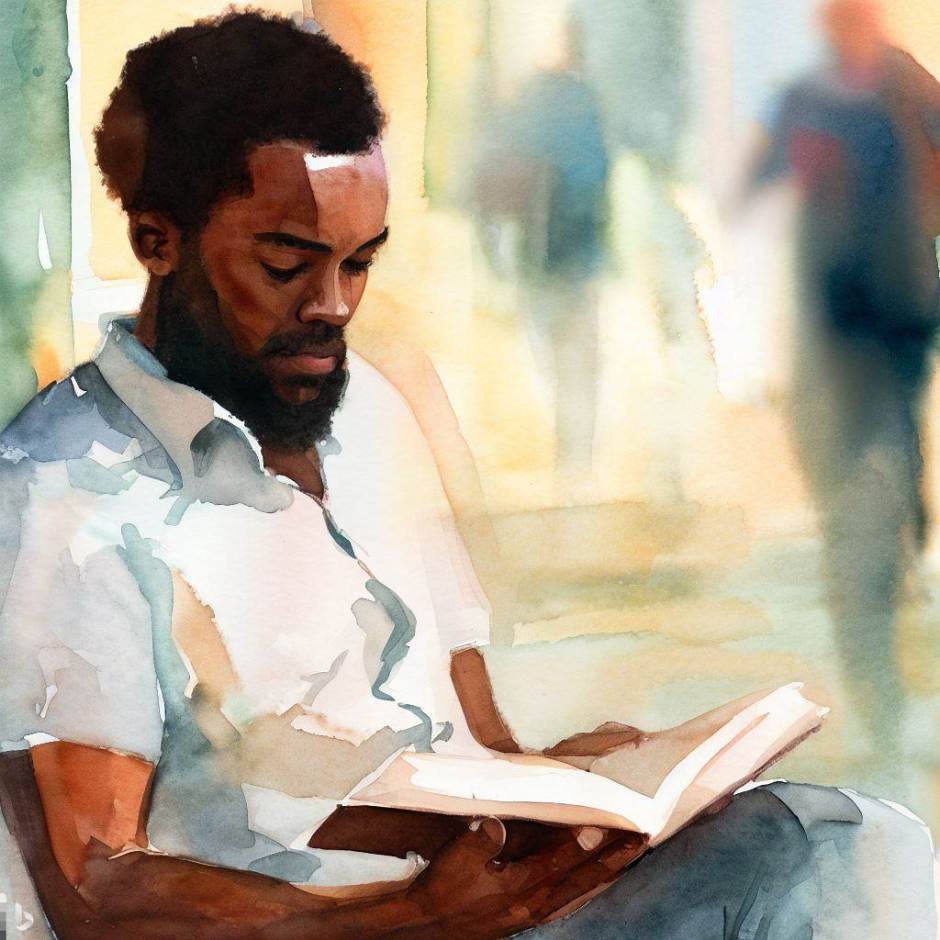
The shrieks and screams of the school yard across the street broke into the midday
silence of my reading—a clear sign that summer holidays are over. I guess it’s time
to push forward my lunch break given the suddenly noisy purlieu. And I know that
my serious-minded friends discuss storms and wildfires or the ongoing woe of war
in Ukraine while all I do is obsess over the now disturbed quiet of my daily habits,
which is probably not a particularly favourable demeanour, but at least I don’t have
to worry about facing later some hapless casualty—whom I happen to call a friend
or family—of my momentary urge for publicly practised honesty, just because they
appeared in my stanza by chance. Self-absorption as a viable means of protecting
others—who would have thought?