The aesthetic of desperation

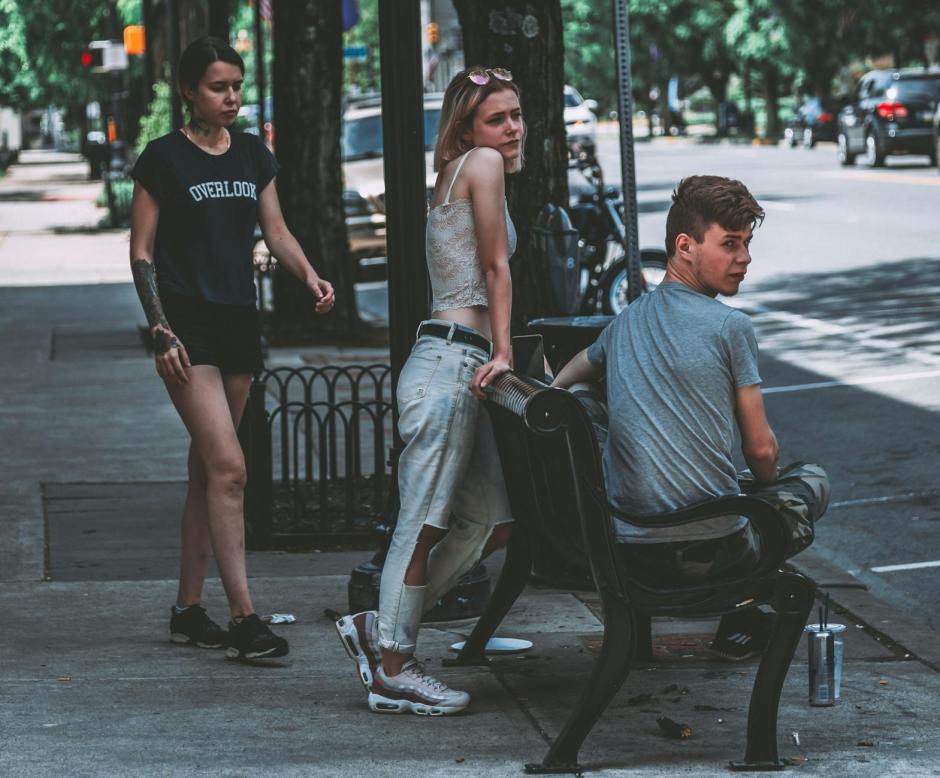
The varnished teenage deigan masks,
though lacking an artisan’s touch,
fight for the leading role on the main stage
of their little drama—a bus stop—only to become a trophy
in a desperate act of impersonating adults.

Call me a snob, but I simply can’t stand the aesthetic,
or rather the lack thereof. Maybe if it were the return of seventies glam,
but all I see are badly applied thick layers of makeup,
insanely long, tacky eyelashes, and exclamations
steamed in unfamiliar perfumed fumes.

Yet I remember the scent.

There must be something wrong with me

And the king ordered that the goatherd and his family be lodged in the chamberlain’s palace, and the chamberlain in the goatherd’s hut; and recommended the moral of this tale to all who heard it.
The Good Book. Parables. 21:20. Made by A. C. Grayling (2016)

There must be something wrong with me to doubt
the words brought under a secular banner.

There must be something wrong with me to see
neither the kind poor nor the selfish rich, but a ruthless monarch
who dictates the fate of his subjects at whim.

There must be something wrong with me to think
that replacing a cleric with a sage solves all my dilemmas.

But when even the Scriptures have allowed themselves one sceptic,
isn’t incredulity our duty?

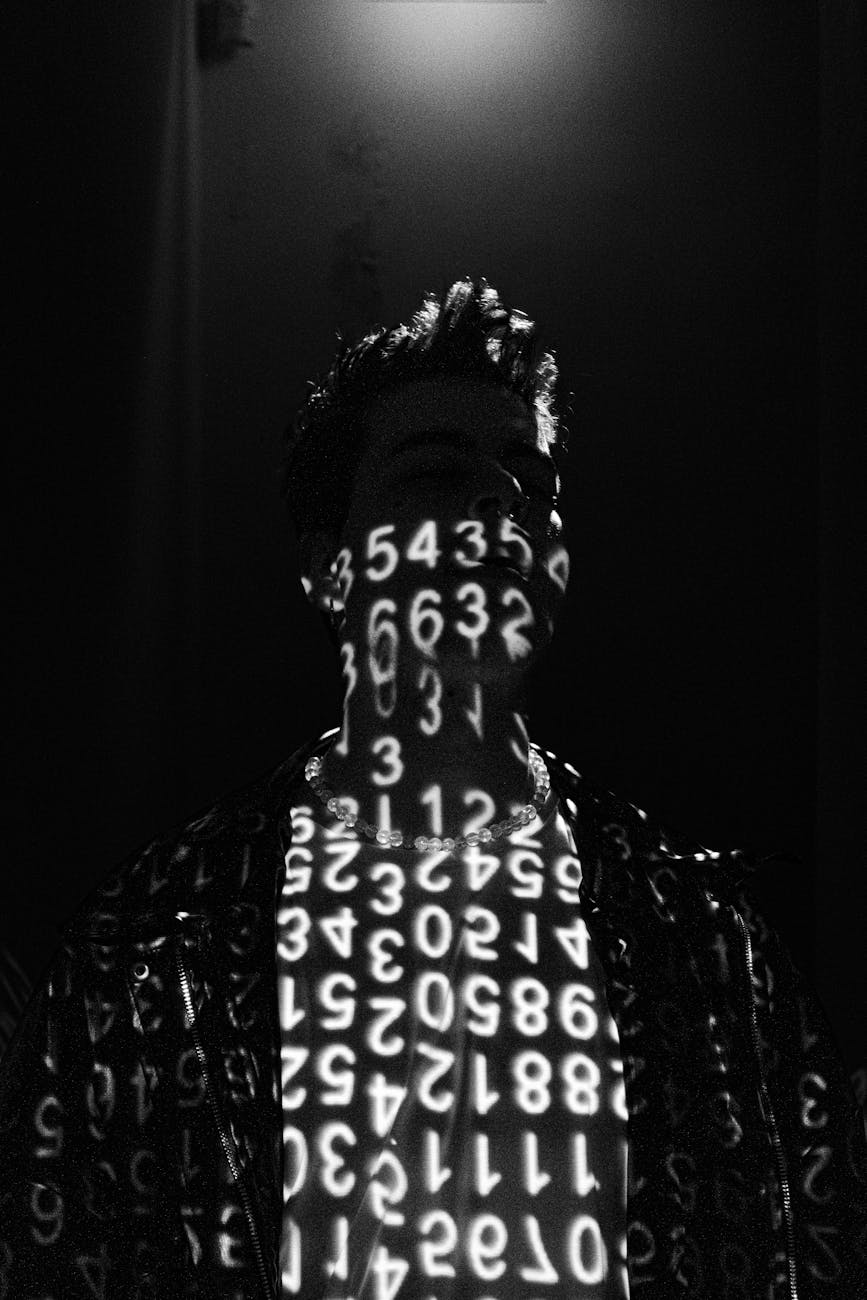
Numbers

As a creature of the word, I could imagine the alphabet as something that shapes my world.
And yet, before I learnt my ABCs, I encountered numbers, albeit in a rather selective manner.

It was the church nave where I first heard triple six uttered in a grave voice
by an old man in a peculiar outfit speaking from the ambo. Only much later did I learn
that the trinity he also mentioned means three, although ten turned out to be the real challenge
brought on by the catechism lessons, which also introduced me to the significance of seven.

Of course, this happened after I went to school and learnt numbers in a more structured way.
But neither catechism nor maths classes were as fruitful in this regard as the playground,
where a fist taught me the difference between one and zero.

My analogue youth

Sometimes I wonder what my kids would make of my analogue youth:
the crackling demos by garage punk bands making up for their lack of skill with savagery and volume;
rewinding tangled tapes with a pencil;
hunting for R20 batteries so that the boom box wouldn’t die halfway through a party on a park bench;
a festival in Jarocin where strawberry jam was as good on a slice of bread as it was for stiffening a Mohawk,
and every sip of plonk had that familiar aftertaste of sulphur;
not to mention confusing loo attendants with a fictitious Honorary Urine Donor Card
that supposedly entitled the holder to a discount on the use of urinals across the country.

Sometimes I wonder what their memories will be of growing up in the digital age
of mobile zombies and keyboard warriors.

A matter of practice

I think I’m overthinking this—life, I mean.
After all, how complicated can it be?

You wake up in the morning,
pee,
wash your hands,
prepare breakfast,
eat it,
brush your teeth,
change,
sit in front of the computer for a few hours doing something someone thinks is important enough to pay you for,
have lunch,
read an essay or manhwa,
work some more,
have dinner while watching a coming-of-age comedy drama or isekai anime,
go for a walk,
do some grocery shopping on the way home,
find a suitable time filler for the evening—write a poem, perhaps,
take a shower,
brush your teeth,
jump into your pyjamas,
and go bye-byes.

After a while, you become proficient enough to forget the last time you asked:
Is that all?

Words that fell on deaf ears

For my parents

It’s twenty twenty-four; I’m forty-nine,
and sometimes I think about my death;
but what I really want is to tell my kids
that at some point life will contradict them,
yet they have to plan and then carry out that plan;
that this will happen again and again,
and that their kids, if they have them,
will not believe them either.

What does it mean to be a poet?

What is the worth of mere words, if their true meanings make no difference to what a man does?
The Good Book. Parables. 11:7. Made by A. C. Grayling (2016)

Sometimes I wonder if I’m still capable of expressing a genuine, unadulterated awe
like my daughter does. It’s like facing Wendy Beckett—whom I enjoyed watching
wander through the world’s greatest museums and art galleries, but whose attire
always left an unpleasant aftertaste on me—when the hours of my youth are no more,
and so is my conviction, yet I cling to the mores that the social inertia has instilled in me.

Perhaps that’s exactly what it means to be a poet.

Autobiography

I happened. I happened to them just as my birth happened to me.
Inevitably, neither of us were prepared for the many regrets
that come with the territory. No wonder I was too old to be young
and later tried to compensate with a nuclear family of my own.

I remember books, lots of books, and the librarian looking at me
with suspicious disbelief as I put another stack on the counter,
so I resorted to a trick, signing up for all the libraries in town.
I wish I had been as cunning with the bullies in the neighbourhood.

Then came puberty, with its teenage acne and masturbation on the couch
under a kitschy reproduction of the Black Madonna of Częstochowa.
I even got a taste of adolescent rebellion—for a whole week or so,
until I got home from boarding school and my father saw my Mohawk.

Adulthood turned out to be not as exciting as I thought it would be.
Well, except for a few acronyms I had to learn along the way
—some we all had to know, even if without much commitment,
some I experienced first-hand—MRI being the latest.