
When did I become an amanuensis
of my own? If only I were a Boomer,
I’d have charged a few shillings per page
back in the day—now it’s all self-
procrastination for a bowl of noodles.
More words to ponder at maciejmodzelewski.com

When did I become an amanuensis
of my own? If only I were a Boomer,
I’d have charged a few shillings per page
back in the day—now it’s all self-
procrastination for a bowl of noodles.
More words to ponder at maciejmodzelewski.com
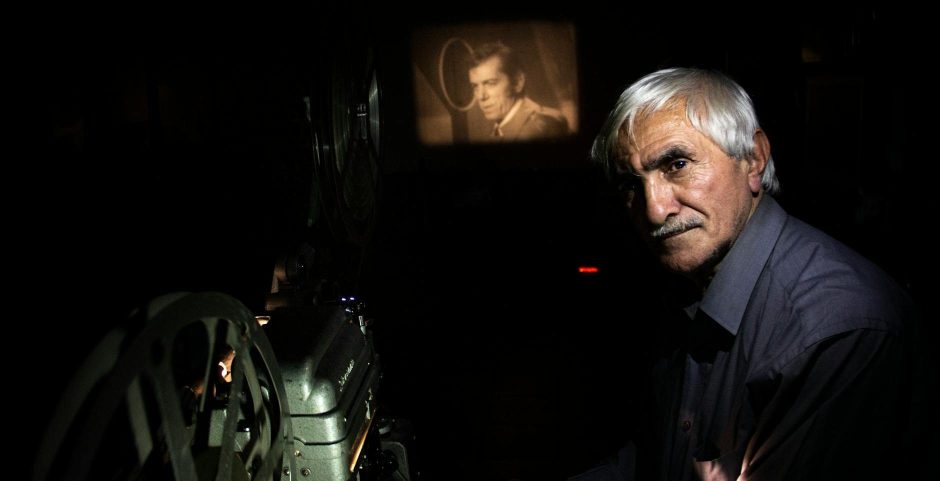
A lifelong cinephile,
I no longer watch films—
I’m perfectly content
with trailers.
More words to ponder at maciejmodzelewski.com

As a humble word toiler, I never appreciate
the celestial knocker-upper waking me up earlier than usual,
yet today I lifted my eyelids in a somewhat brighter mood—
a spiritual shift or a simple fluke, I wonder.
There was nothing surprising in what came after:
the negligent ablutions, the changing of garments, a dash of yoga
after meditation on the throne, and the light breakfast preparation
to get the energy to read the young Bloomsberries.
There was also a pot of goulash that I had prepared
the previous evening and left to cool overnight so I could portion it
into heat-resistant glass containers and put in the freezer as dinners
for the whole week because I really hate cooking.
[then the hand on the keyboard froze for a while]
I’ve been able to give only a personal account
of the events that transpired that fine morning, but nonetheless
they will prove themselves worthy of the annals, if only for this
rather tottery verse, with one caveat, though—
I must ascend to the pantheon.
More words to ponder at maciejmodzelewski.com

We are suffering not from the decay of theological beliefs but from the loss of solitude.
Bertrand Russell, ‘On Being Modern-Minded’
‘Life is an abomination, a conscious one more so’
is the mantra that wakes me up every morning,
but once that’s done, it’s time for a yoga session
while the flatbread bakes for a simple breakfast,
and after the body’s needs have been met,
intellectual nourishment is a matter of reflex,
with the occasional break for another meal or excretion
before finally returning to bed at the end of the day.
And while that’s all fine and dandy, sometimes it’s nice to have someone
remind you to breathe.

Abandoned in no man’s land
between the living room and the kitchenette,
I read ‘Portrait of a Lady’ aloud
to the mealy-mouthed hum
of the microwave heating fish
and vegetables for my solitary dinner,
only to realise that it no longer mattered much
who I was before breakfast if no one was there
to tell me how to get through the supper.

In this backwater of ours,
where pragmatists work on dating algorithms
while romantics try to figure out how to get rid of space debris,
obscurity is not a bad thing,
especially when you plan on becoming a master
of the single sentence.

The poem “The Perfect End” presents a satirical and introspective exploration of modern life, mortality, and the search for meaning. On the surface, the speaker contemplates the convenience of living in a cottage next to a cemetery, but beneath this seemingly morbid fascination lies a commentary on the absurdity of societal expectations and the human desire for significance.
The opening lines, “How convenient would it be to live in a cottage / next to a cemetery?” appear to be a darkly comedic observation. However, as the poem progresses, it becomes clear that the speaker is not genuinely advocating for proximity to death but rather using this scenario as a metaphor to critique the superficiality of modern life. The cemetery serves as a symbol of finality and simplicity, contrasting with the complexities and pretensions of contemporary society.
The speaker describes themselves as “unfit for all those ghastly / conventionalities of days of yore,” suggesting a rejection of traditional norms and values. This rejection is not presented as a liberating or empowering move, but rather as a resigned acceptance of one’s own inadequacy. The phrase “it’s your choice / what matters to you” can be interpreted as both a celebration of individuality and a commentary on the overwhelming abundance of choices in modern life. This abundance can lead to a sense of disorientation and confusion, making it difficult for individuals to determine what truly matters.
The line “so you should never deny yourself / the simple pleasure of inadequacy” is particularly striking. Here, the speaker seems to be embracing the idea of embracing one’s limitations and flaws, rather than striving for perfection or societal approval. This sentiment resonates with the contemporary focus on self-acceptance and the recognition that nobody is perfect. However, the tone of the poem suggests that this acceptance is not necessarily a positive or uplifting experience, but rather a pragmatic response to the realities of modern life.
The second half of the poem delves deeper into the theme of mortality and the search for meaning. The image of a “bench plaque” as the “only befitting abridgement of your meagre existence” is a powerful commentary on the transience of human life. The speaker appears to be suggesting that, in the grand scheme of things, our lives are relatively insignificant, and that the markers of our existence will be humble and easily forgotten.
The final line, “after wandering through life at the speed of the alphabet,” is a clever and poignant observation on the nature of modern existence. The phrase “wandering through life” implies a sense of aimlessness or disorientation, while “at the speed of the alphabet” suggests a pace that is both rapid and meaningless. The alphabet is a fundamental building block of language, but reciting it is also a mindless, mechanical task. This line can be seen as a commentary on the ways in which modern life can feel both frenetic and hollow, with individuals rushing through their days without necessarily finding purpose or fulfilment.
One possible interpretation of the poem is that it is a reflection on the absurdity of human existence. The speaker’s musings on living next to a cemetery and the bench plaque as a marker of their existence can be seen as a form of gallows humour, a way of coping with the reality of mortality. At the same time, the poem also touches on the idea that our lives are shaped by societal expectations and the search for meaning.
The poem raises important questions about the nature of existence and how we navigate the complexities of modern life. While it does not offer any clear answers or solutions, it presents a thought-provoking exploration of the human condition. Through its use of satire and irony, the poem encourages readers to reflect on their own values and priorities, and to consider what truly matters in their lives.
In conclusion, “The Perfect End” is a complex and nuanced poem that challenges readers to think critically about the human experience. Its exploration of mortality, societal expectations, and the search for meaning is both thought-provoking and unsettling. Through its clever use of language and imagery, the poem presents a powerful commentary on the absurdities and contradictions of modern life, inviting readers to reflect on their own place in the world and the legacy they will leave behind.
Furthermore, the poem’s themes can be analysed through various literary lenses. From a postmodern perspective, the poem’s rejection of traditional norms and values can be seen as a reflection of the fragmented and disjointed nature of contemporary society. The speaker’s embracing of inadequacy and the absurdity of modern life can be interpreted as a commentary on the ways in which postmodern society rejects grand narratives and universal truths.
From an existentialist perspective, the poem’s focus on mortality and the search for meaning can be seen as a reflection of the human condition. The speaker’s musings on the bench plaque and the transience of human life can be interpreted as a commentary on the reality of human mortality and the impermanence of human achievement.
The poem’s use of language and imagery is also noteworthy. The speaker’s tone is conversational and introspective, drawing the reader into their musings and reflections. The use of enjambment and caesura creates a sense of flow and pause, mirroring the speaker’s wandering thoughts and emotions. The imagery is vivid and evocative, with the cemetery and bench plaque serving as powerful symbols of mortality and legacy.
One of the most striking aspects of the poem is its use of irony and understatement. The speaker’s description of their existence as “meagre” and their life as wandering “at the speed of the alphabet” is a masterful example of litotes, a rhetorical device that uses understatement to convey a powerful message. This irony serves to highlight the speaker’s ambivalence towards modern life and their place within it.
The poem also raises questions about the nature of identity and how it is shaped by societal expectations. The speaker’s rejection of traditional norms and values is a commentary on the ways in which modern society can feel suffocating and restrictive. The line “it’s your choice / what matters to you” can be seen as a reflection of the tension between individuality and conformity, highlighting the difficulties of navigating the complexities of modern life.
In addition to its exploration of themes and literary devices, the poem is also notable for its use of tone and voice. The speaker’s tone is conversational and introspective, creating a sense of intimacy and immediacy. The use of first-person narration draws the reader into the speaker’s thoughts and emotions, creating a sense of connection and shared experience.
The poem’s voice is also noteworthy, as it blends elements of satire, irony, and introspection. The speaker’s musings on mortality and legacy are both humorous and poignant, reflecting the complexities and contradictions of modern life. The voice is conversational, yet lyrical, creating a sense of musicality and flow.
In terms of its place within the broader literary canon, “The Perfect End” can be seen as part of a tradition of poetry that explores the human condition and the complexities of modern life. The poem’s themes of mortality, identity, and societal expectations are timeless and universal, reflecting the concerns of poets and writers across the centuries.
The poem’s use of satire and irony also places it within a specific literary tradition. The speaker’s musings on the absurdity of modern life and the search for meaning can be seen as a reflection of the works of poets such as W.H. Auden and Philip Larkin, who explored similar themes in their own work.
In conclusion, “The Perfect End” is a complex and nuanced poem that challenges readers to think critically about the human experience. Its exploration of mortality, identity, and societal expectations is both thought-provoking and unsettling, reflecting the complexities and contradictions of modern life. Through its use of satire, irony, and introspection, the poem presents a powerful commentary on the absurdities and contradictions of modern life, inviting readers to reflect on their own place in the world and the legacy they will leave behind.
Ultimately, the poem suggests that the search for meaning and purpose is a fundamental aspect of the human experience. While the speaker’s musings on mortality and legacy may be tinged with irony and understatement, they also reflect a deeper desire for connection and significance. The poem’s final image of the bench plaque and the speaker’s life wandering “at the speed of the alphabet” is a powerful commentary on the transience of human life, yet it also serves as a reminder of the importance of living in the present and finding meaning in our own unique way.
The poem’s themes and messages can also be applied to our everyday lives. In a world where social media dominates our lives, it’s easy to get caught up in the idea that our existence needs to be perfect, flawless, and Instagram-worthy. However, “The Perfect End” reminds us that it’s okay to be imperfect, to acknowledge our limitations, and to find beauty in the mundane. The poem encourages us to reevaluate our priorities and focus on what truly matters to us, rather than trying to conform to societal expectations.
Moreover, the poem’s exploration of mortality can be seen as a reminder to appreciate the present moment. By acknowledging the reality of our own mortality, we can gain a new perspective on life and prioritise the things that bring us joy and fulfilment. The poem’s message is not about being morbid or pessimistic, but about being realistic and authentic.
In the end, “The Perfect End” is a poem that challenges us to think differently about our lives and our place in the world. It’s a powerful reminder that our existence is fleeting, and that we should make the most of the time we have. Through its clever use of language and imagery, the poem presents a thought-provoking exploration of the human condition, inviting us to reflect on our own values, priorities, and legacy. By embracing the complexities and contradictions of modern life, we can find a deeper sense of meaning and purpose, and live more authentically in the present moment.
Who would have thought AI could write something like this?
As a lowland creature of wrinkles and grey hair,
who reads the—handily predigested—Übermensch preacher
while doing daily workouts on the exercise bike
in the comfort of my spacious living room
rather than jotting down thoughts while hiking the Fex Valley,
I wonder if I have earned the right to complain.
After all, I never asked for this ordeal,
although compared to many, you might say
my life is little more than a hassle. The thing is,
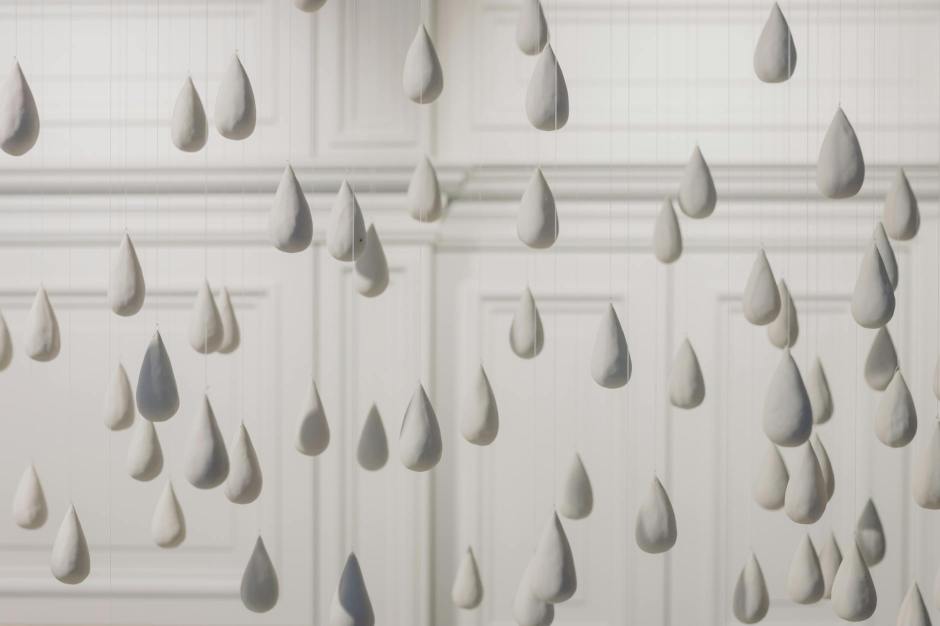
even a drop of water can be unbearable—
ask de Marsiliis.

I think I’m overthinking this—life, I mean.
After all, how complicated can it be?
You wake up in the morning,
pee,
wash your hands,
prepare breakfast,
eat it,
brush your teeth,
change,
sit in front of the computer for a few hours doing something someone thinks is important enough to pay you for,
have lunch,
read an essay or manhwa,
work some more,
have dinner while watching a coming-of-age comedy drama or isekai anime,
go for a walk,
do some grocery shopping on the way home,
find a suitable time filler for the evening—write a poem, perhaps,
take a shower,
brush your teeth,
jump into your pyjamas,
and go bye-byes.
After a while, you become proficient enough to forget the last time you asked:
Is that all?
 hidden pilcrow